
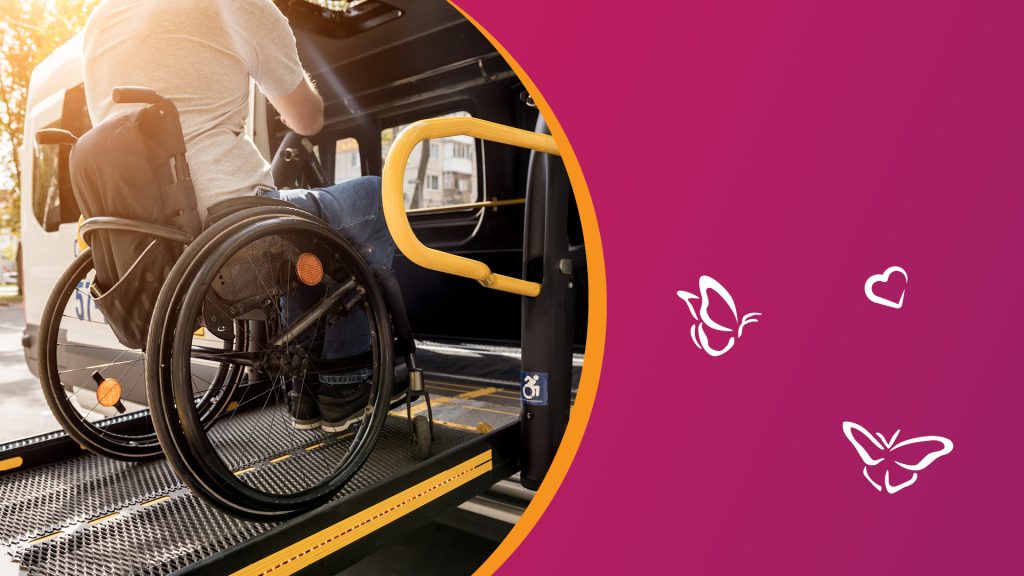
For many of us, the morning routine is automatic: roll out of bed, make a coffee, check our phones, and head out the door. But for over 2.5 billion people globally, these simple tasks present daily barriers. That’s where Assistive Technology (AT) steps in, not just as a tool, but as a bridge back to life.
According to the World Health Organisation, AT can be anything from a pair of glasses and a hearing aid to advanced speech recognition software or an all-terrain wheelchair. And here’s the thing, most people don’t realise: the majority of people who use assistive technology use more than one product. Integrated services matter because real life isn’t one-dimensional.
With an ageing global population and a rise in noncommunicable diseases, an estimated 3.5 billion people will need AT by 2050. Yet today, in many countries, most who need it simply cannot access it.
But this post isn’t just about statistics. It’s about quality of life, mental health, and the one thing we all crave: genuine connection.
Living with a disability often means navigating a world not built for you. Assistive technology changes that, restoring independence and dignity.
From powered wheelchairs that ease physical strain to therapeutic footwear that prevents amputations for those with diabetes, the right tool at the right time transforms daily living. The WHO highlights that early provision of hearing aids for young children supports language development, education, and future employment. For older people, timely AT can mean living at home safely for longer, rather than facing premature institutional care.
The Australian Institute of Health and Welfare paints a stark picture: social isolation and loneliness harm both mental and physical health. They’ve been linked to emotional distress, high blood pressure, impaired immune function, premature death, and even dementia.
When people lack access to assistive technology, they don’t just struggle with tasks; they lose community. Prolonged isolation isn’t just lonely; it’s dangerous.
Conversely, more frequent social contact is associated with better overall health. But not all contact is equal. Unhealthy relationships can enable negative behaviours like substance abuse. That’s why meaningful, accessible connections matter.
The Mental Health Foundation explains that being part of a community powerfully benefits our wellbeing:
For marginalised groups, teenagers, single parents, and people with long-term health conditions, community isn’t a luxury; it’s a protective shield.
Theory is important, but stories hit harder.
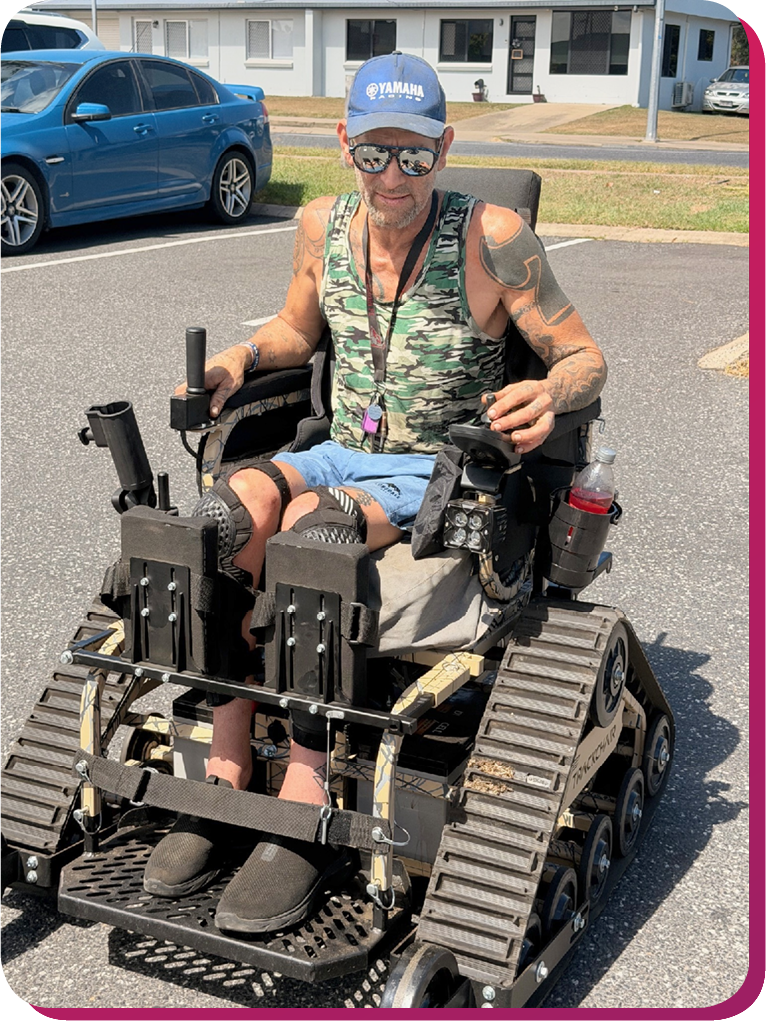
When Roderick finally received his Action Track chair through the NDIS, he described the moment as “bittersweet.” After five years of fighting for something he genuinely needed, he felt like he didn’t deserve it, a feeling far too many participants know.
But that chair opened his world again.
He can now visit his mate’s property and help maintain the land. He’s back to fishing, something he’s always loved. His mate jokes that he has to stay a bit further back from the water now, so he doesn’t become “croc bait.” That humour says everything about what the chair has given him: freedom, connection, and the ability to enjoy the outdoors safely.
Roderick can service his own car without strain and access parts of his home he hasn’t reached in years. And after 17 years, he’s finally looking forward to feeling the sun on his back and the wind in his hair.
His message to others navigating the system is simple:
“Hang in there. Speak directly to the delegate. Don’t give up.”
Assistive technology isn’t about “special treatment.” It’s about levelling the playing field. It reduces stress and fatigue, supports learning and employment, and enhances safety at home. But most importantly, it keeps people connected to the people and places they love.
Whether it’s a hearing aid that lets a grandchild hear “I love you,” or an all-terrain chair that lets a fisherman see the waves again, AT is ultimately about humanity.
As the WHO reminds us, improving access to assistive technology helps achieve the Sustainable Development Goals by ensuring no one is left behind in education, employment, politics, or the quiet, precious moments of everyday life.
If you or someone you know needs AT, don’t give up. Seek out communities, ask questions, and advocate fiercely. The right tool isn’t just a device. It’s a door back to your world.

We acknowledge the connections of First Nations People of Australia to the land, sea and community on which we live and work. As custodians of this sacred land we respect and acknowledge Elders, past, present and emerging.